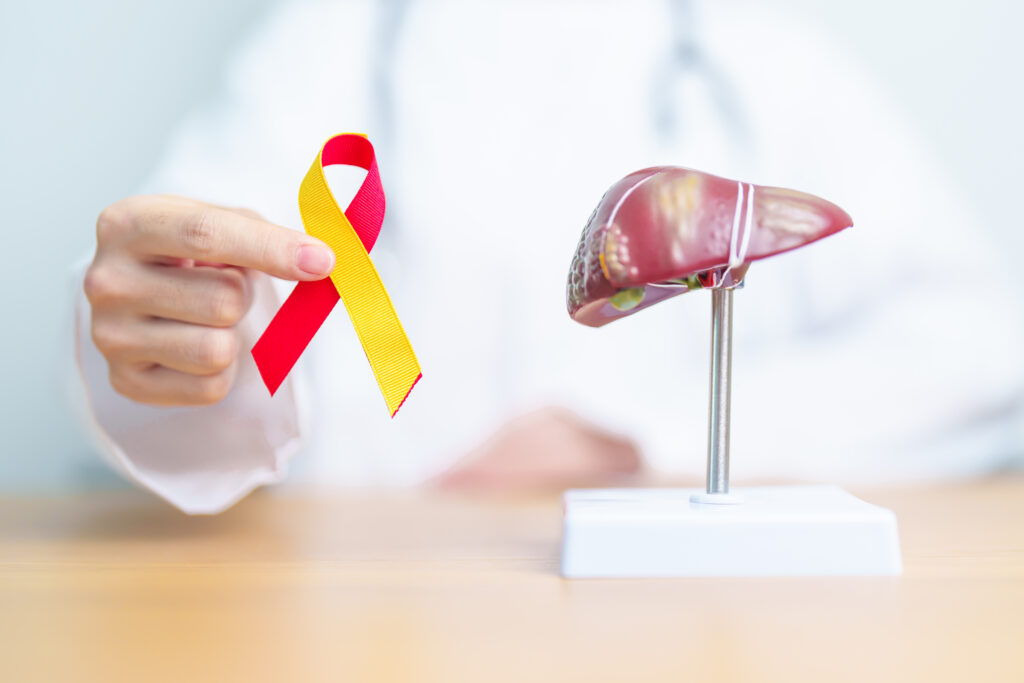
Introduction
Liver cancer is a serious disease that affects many people worldwide. Early and accurate liver cancer diagnosis can make a big difference in treatment success. Because liver cancer often shows few signs at first, knowing what impacts diagnosis is very important. In this blog, we will explore the main factors that affect liver cancer diagnosis and how you can help improve your health.
What Is Liver Cancer?
Liver cancer starts when cells in the liver grow out of control. The liver is a large organ that helps your body digest food and remove toxins. There are different types of liver cancer, but the most common is called hepatocellular carcinoma. Sometimes, cancer from other parts of the body can spread to the liver. However, primary liver cancer begins in the liver itself.
Why Early Diagnosis Matters
Early detection of liver cancer gives patients a better chance for successful treatment. When doctors find liver cancer early, there are more treatment options. For example, surgery or targeted therapies may work better in early stages. On the other hand, late diagnosis often means the cancer has spread, making it harder to treat. According to the World Health Organization (WHO), early diagnosis can save lives and improve quality of life.
Major Factors Affecting Liver Cancer Diagnosis
Symptoms and Warning Signs
At first, liver cancer may not cause any symptoms. Still, as the disease grows, some warning signs may appear. For instance, you might notice:
Because these symptoms can be caused by other problems, it is important to see a doctor if they last more than a few weeks.
Risk Factors
Some people have a higher risk of developing liver cancer. Knowing these risk factors for liver cancer can help with early detection. Key risk factors include:
For example, people with hepatitis B or C should have regular check-ups, as recommended by the Centers for Disease Control and Prevention (CDC).
Diagnostic Tests and Imaging
Doctors use several diagnostic tests for liver cancer. These tests help confirm the diagnosis and plan treatment. Common tests include:
Each test gives doctors important clues about the size, location, and type of liver cancer.
Challenges in Early Detection
Unfortunately, early detection of liver cancer can be difficult. Many people do not have symptoms until the cancer is advanced. Also, some tests may not find small tumors. In some cases, liver diseases like cirrhosis can hide signs of cancer. Because of these challenges, regular screening is important for people at high risk.
How to Improve Diagnosis Outcomes
There are ways to improve liver cancer diagnosis outcomes. First, regular check-ups and screening for people with risk factors can help find cancer early. Second, talking to your doctor about any new symptoms is important. Third, following your doctor’s advice for managing liver diseases can lower your risk. In addition, new research and better tests are helping doctors find liver cancer sooner.
Prevention and Lifestyle Tips
While not all liver cancers can be prevented, you can lower your risk with healthy habits. Here are some tips:
By making these changes, you can help protect your liver and overall health.
Conclusion
Liver cancer diagnosis depends on many factors, including symptoms, risk factors, and the tests used. Early detection can save lives. Consult Dr. Anshul Verma for personalized guidance on liver cancer diagnosis and care.