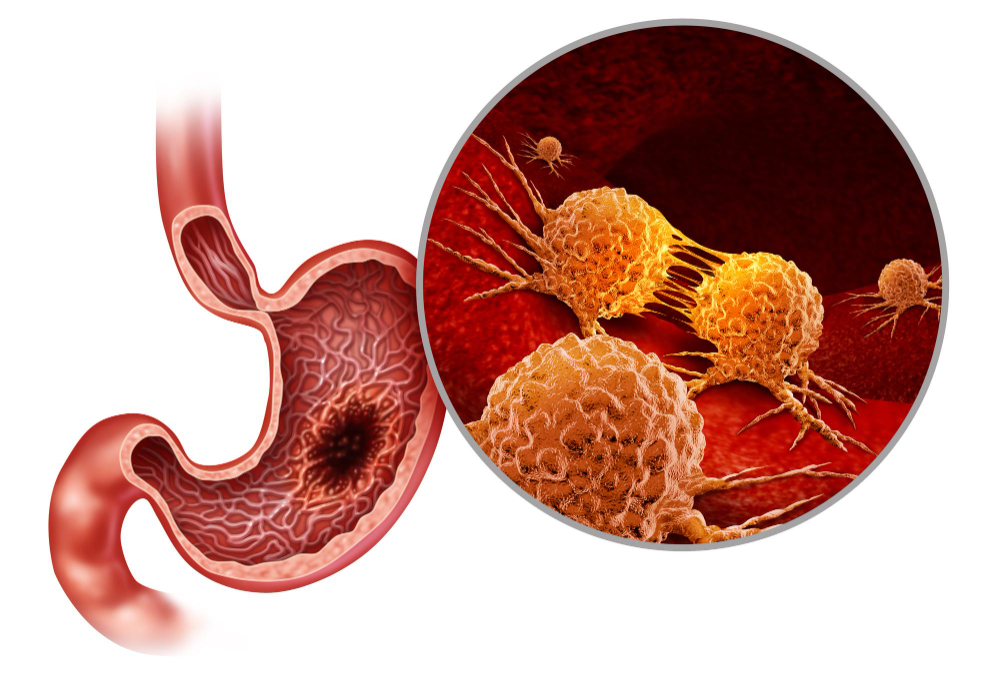
Introduction to GIST
A gastrointestinal stromal tumour (GIST) is a rare type of tumour that develops in the digestive tract, most commonly in the stomach or small intestine. It may cause no symptoms initially, but timely evaluation and appropriate treatment can make a meaningful difference.
Symptoms of GIST
Symptoms depend on the tumour’s size and location. Small GISTs may not cause noticeable problems, while larger tumours can lead to:
These symptoms are not specific to GIST and can occur with many other digestive conditions. However, persistent or worsening symptoms should be assessed by a doctor.
Causes and Risk Factors
The exact cause of GIST is not fully understood. Most cases occur sporadically and are not inherited. GIST is more common in adults over 50 years of age.
Rare inherited conditions, including neurofibromatosis type 1 and Carney–Stratakis syndrome, can increase the risk. Sharing a relevant family history with your doctor can help guide assessment when needed.
How GIST Is Diagnosed
Diagnosis usually begins with a clinical evaluation and imaging. Tests may include:
Because GIST can resemble other digestive-tract tumours, pathology and molecular testing are important to confirm the diagnosis and plan treatment.
Treatment Options
Treatment is individualised according to the tumour’s size, location, spread, mutation profile, and overall health of the patient. Common options include:
Surgery: Often the main treatment for localised GIST that can be removed safely
Targeted therapy: Medicines such as imatinib can block signals that drive tumour growth
Alternative targeted medicines: May be used when a tumour does not respond to, or progresses after, initial treatment
Regular follow-up scans: Important after treatment to monitor for recurrence or progression
In selected cases, targeted treatment may be given before surgery to shrink a tumour, or after surgery to reduce the risk of recurrence.
Living With GIST
A diagnosis of GIST can feel overwhelming, but support and regular medical follow-up are important parts of care. Helpful measures include:
Early Evaluation Matters
There is no proven way to prevent most cases of GIST. However, persistent abdominal symptoms, unexplained bleeding, weight loss, or fatigue should not be ignored. Early specialist evaluation can help establish the cause and ensure appropriate treatment.
If you have concerning digestive symptoms or have been diagnosed with GIST, consult an experienced GI oncosurgeon Dr Anshul Verma for personalised evaluation and treatment planning.