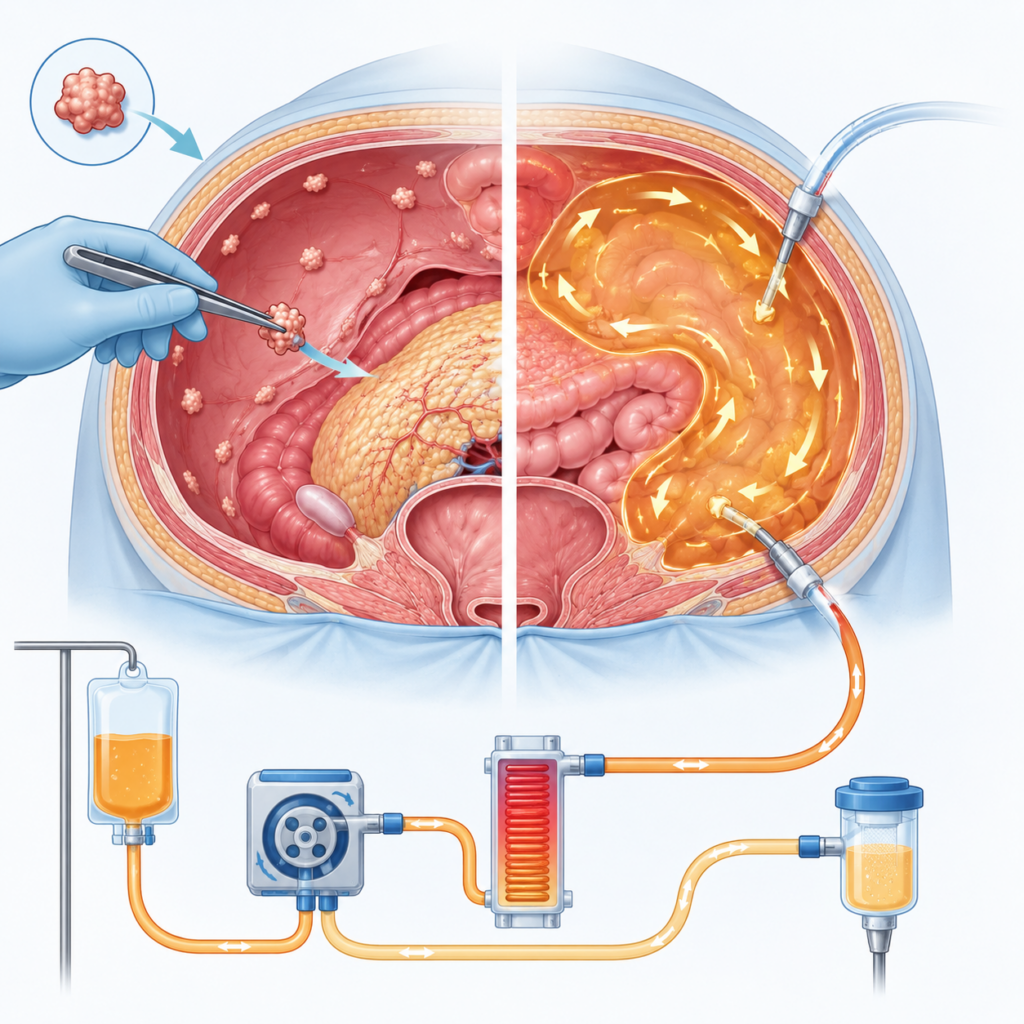
What is Peritoneal Surface Malignancy?
Peritoneal surface malignancy is a rare type of cancer. It starts in the lining of the abdomen, called the peritoneum. This cancer can begin in the peritoneum itself or spread from other organs, such as the colon or ovaries. Because it grows on the surface of the abdomen, it can affect many organs nearby. Early detection is important, but symptoms can be mild at first. For this reason, knowing the signs and treatment options for peritoneal malignancy is helpful.
Common Symptoms
Symptoms of peritoneal surface malignancy can be hard to notice at first. However, as the cancer grows, you may notice changes in your body. Some common peritoneal cancer symptoms include:
Sometimes, these symptoms can be caused by other health problems. Still, if you notice them, it is wise to talk to your doctor.
Causes and Risk Factors
Doctors do not always know what causes peritoneal surface malignancy. Yet, some factors may raise your risk. For example, cancer in other organs can spread to the peritoneum. In addition, certain genetic changes may play a role. Here are some common risk factors:
Although you cannot change some risk factors, knowing them can help you stay alert to symptoms.
How is Peritoneal Surface Malignancy Diagnosed?
Early diagnosis of peritoneal surface malignancy can improve treatment results. Doctors use several steps to find out if you have this cancer. First, they will ask about your symptoms and medical history. Next, they may do a physical exam to check for swelling or lumps. After that, doctors often use tests such as:
Sometimes, doctors may also remove fluid from the abdomen to check for cancer cells. According to the World Health Organization (WHO), these steps help confirm the diagnosis of peritoneal surface malignancy.
Treatment Options
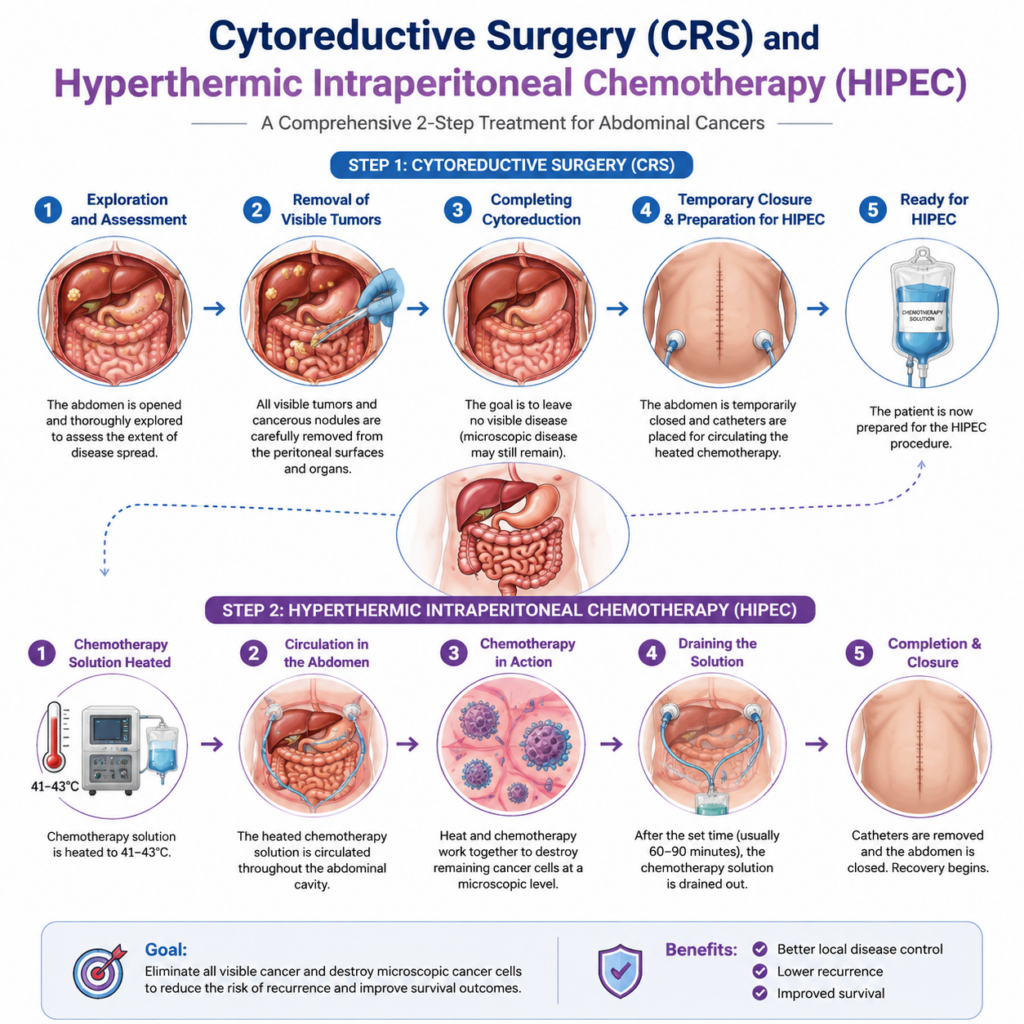
Treatment options for peritoneal malignancy depend on the cancer’s type, size, and spread. Your doctor will create a plan that fits your needs. Common treatments include:
- Surgery to remove as much cancer as possible
- Robotic or laparoscopic cytoreductive surgery may be performed in selected patients along with HIPEC during the same surgical setting. The surgery removes visible cancer deposits, while heated chemotherapy is delivered directly into the abdomen during the same operation.
- Chemotherapy, which uses drugs to kill cancer cells
- HIPEC (Heated Intraperitoneal Chemotherapy), where warm chemotherapy is placed directly in the abdomen during surgery
- Targeted therapy, which attacks specific cancer cells
- Supportive care to manage symptoms and improve comfort
Clinical evidence supports cytoreductive surgery with HIPEC for carefully selected patients with peritoneal disease arising from colorectal cancers, including colon and rectal cancer, as well as appendiceal cancer. It may also be considered in selected patients with stomach cancer after specialist evaluation.
Sometimes, doctors use a mix of these treatments. For example, surgery may be followed by chemotherapy. Each person’s plan is different, so it is important to discuss your options with your care team.
Lifestyle Tips and Prevention
While you cannot always prevent peritoneal surface malignancy, healthy habits may lower your risk. For instance, you can:
Additionally, if you have a genetic risk, your doctor may suggest special tests or screenings. Early action can make a difference.
When to See a Doctor
If you notice ongoing symptoms like belly pain, swelling, or weight loss, do not wait. Instead, make an appointment with your doctor. Early diagnosis can help you get the right treatment sooner. Even if your symptoms are mild, it is better to be safe and get checked.
Consult Dr Anshul Verma for personalized advice on peritoneal surface malignancy.